
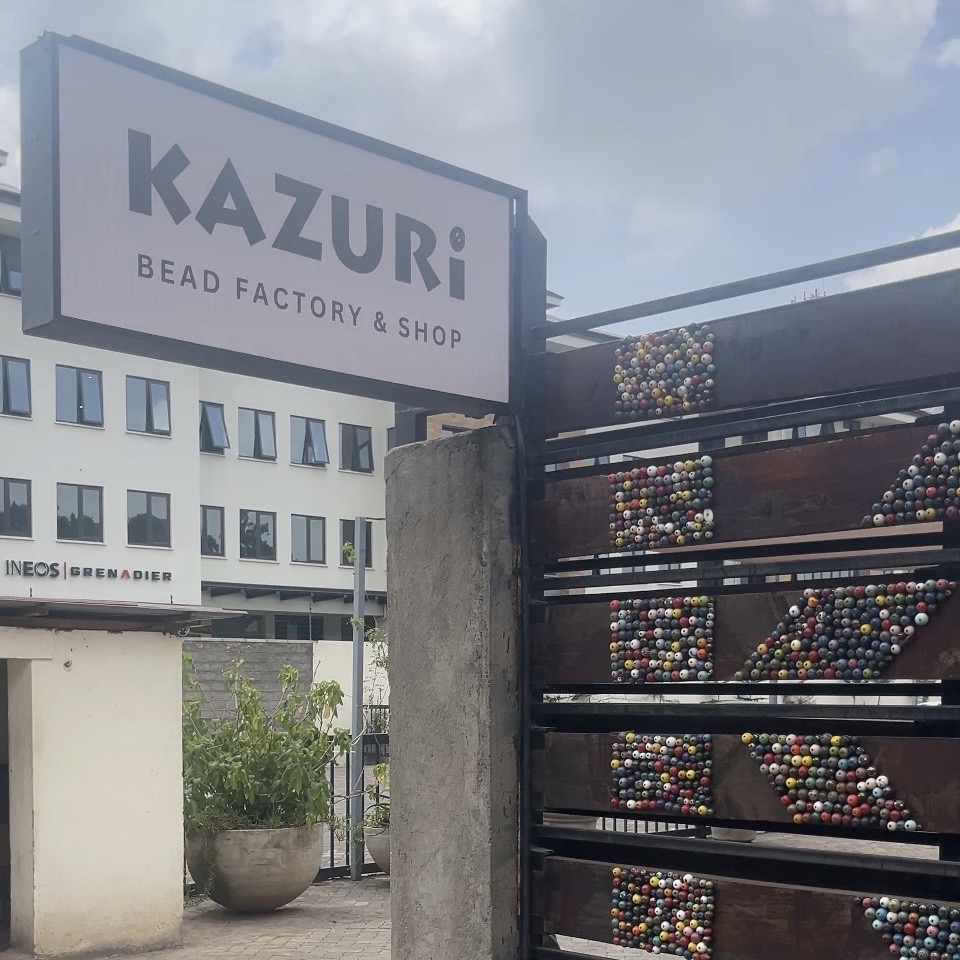
Jewellery that stands out is mostly elegant and simple in nature, but unique enough to complement the wearer’s beauty rather than overwhelm it. Kazuri Beads Nairobi is a Kenyan brand that brings this vision of jewellery to life. Kazuri meaning “small and beautiful” in Swahili.
Whether it is necklaces, bracelets, earrings, or ceramic pottery, Kazuri offers a range of colours, combinations, and styles that somehow manage to feel both distinctly African and timeless at the same time.
During our time in Nairobi, we visited Kazuri in the leafy suburb of Karen. We initially expected a small jewellery shop and perhaps a quick stop before moving on to the next attraction. Instead, the visit became one of the quieter but more memorable experiences from our trip.
From the outside, the space appears relatively modest. But once inside, the scale of colour immediately stands out. Long wooden displays are lined with hand-painted ceramic beads in greens, blues, reds, yellows, browns, and earthy tones that reflect landscapes and textures often associated with East Africa.
No two pieces are exactly the same.
That perhaps is what makes Kazuri feel different from many commercial jewellery stores. The products still visibly carry the marks of being handmade. Small variations in shape, painting, and texture make each piece feel individual rather than factory-produced.
The team offers you a walking tour of the workshop and their hard work stands out at every stage. The tour shows you different stages of the production process, from shaping clay beads by hand to painting, glazing, firing, and threading them into necklaces and bracelets.The process itself is surprisingly labour-intensive.
Large trays of beads sit drying before being painted, while groups of women work together chatting and laughing as they complete different stages of production. The atmosphere feels less like a factory and more like a collective craft space built around patience and repetition.
Kazuri began in 1975 as a small ceramic workshop employing two women making handmade beads. As the business expanded, it intentionally focused on employing women from surrounding communities in Nairobi, many of whom were single mothers or women facing significant economic hardship.
Over time, the workshop grew into one of Kenya’s more recognisable craft brands while still maintaining a strong focus on local employment and skills development. One of the things was the visible pride in the work being done. That sense of ownership and creativity is perhaps part of what gives Kazuri products their character.
In many tourism economies, souvenir shopping can sometimes feel disconnected from place, with mass-produced products imported from elsewhere and sold as local craft. Kazuri feels different precisely because the production process remains visible. You can see the clay being shaped, the beads being painted, and the jewellery being assembled only a few metres away from the shop itself.
By the time we left, we had spent far longer there than originally planned.Partly because there was far more to look at than expected, but also because the space encourages you to slow down slightly. To observe. To appreciate the amount of work that goes into something small enough to fit into the palm of your hand.
And somewhere between the shelves of colourful beads and the workshop conversations in the background, Kazuri became more than simply a jewellery stop during our Nairobi trip.
Things to know before visiting Kazuri Beads Nairobi
- Kazuri Beads is located in Karen, Nairobi.
- Visitors can explore both the shop and the workshop area.
- The jewellery and pottery are handmade using locally sourced clay.
- Kazuri is particularly known for its ceramic bead necklaces and bracelets.
- Expect to spend longer there than initially planned.
Want more things to do in Nairobi or other travel guides? Follow us @afor_adventures, check out our itineraries, or subscribe to our blog.
#Karen Nairobi Attractions #Kazuri Beads #Kazuri Jewellery #Kenya #Kenya Souvenirs #Kenyan Handmade Crafts #Nairobi attractions
 Harties Cableway North West: the hidden gem that rivals Table Mountain
Hartbeespoort things to do: The Upside Down House. Is it worth the visit?
Harties Cableway North West: the hidden gem that rivals Table Mountain
Hartbeespoort things to do: The Upside Down House. Is it worth the visit?
 Pipe Track hike to Camps Bay: the beginner friendly route with the best views in Cape Town
 Khao Hom Cape Town: Delicious halaal Thai food
 Persian Peacock Cape Town serves yummy, authentic Iranian food, hiding in plain sight
 Birthday Freebies Durban: The Ultimate Guide to Happiness
 Roti and Chai Durban is the delicious restaurant that turned a timeless pairing into a whole experience
 Olifantsbos Shipwreck Trail Cape Point: the hidden hike most people don’t know about
 Family Budget Accommodation Oudtshoorn: Ravenscliff Manor is a Victorian Airbnb that proves budget travel can be beautiful
 Turkish Doner Cape Town: the delicious shawarma spot Cape Town needs to know about